In cities like Baltimore, transformation rarely happens all at once.
It happens one block at a time.
For disciplined real estate developers, the most powerful strategy is not sweeping citywide
speculation — it is focused, block-level investment built on execution, patience, and proximity.
Here’s why that approach matters.
The Economics of Concentration
In urban redevelopment, proximity creates leverage.
When multiple properties on or near the same block are rehabilitated with care, the impact
compounds. Vacancy declines. Perceived safety improves. Foot traffic stabilizes. Rent reliability
strengthens. Investor confidence grows.
A single renovated property can improve itself.
Several within walking distance can influence a corridor.
That is where disciplined developers find opportunity — not in chasing headlines, but in
concentrating effort where measurable change can occur.
Baltimore’s Unique Urban Fabric
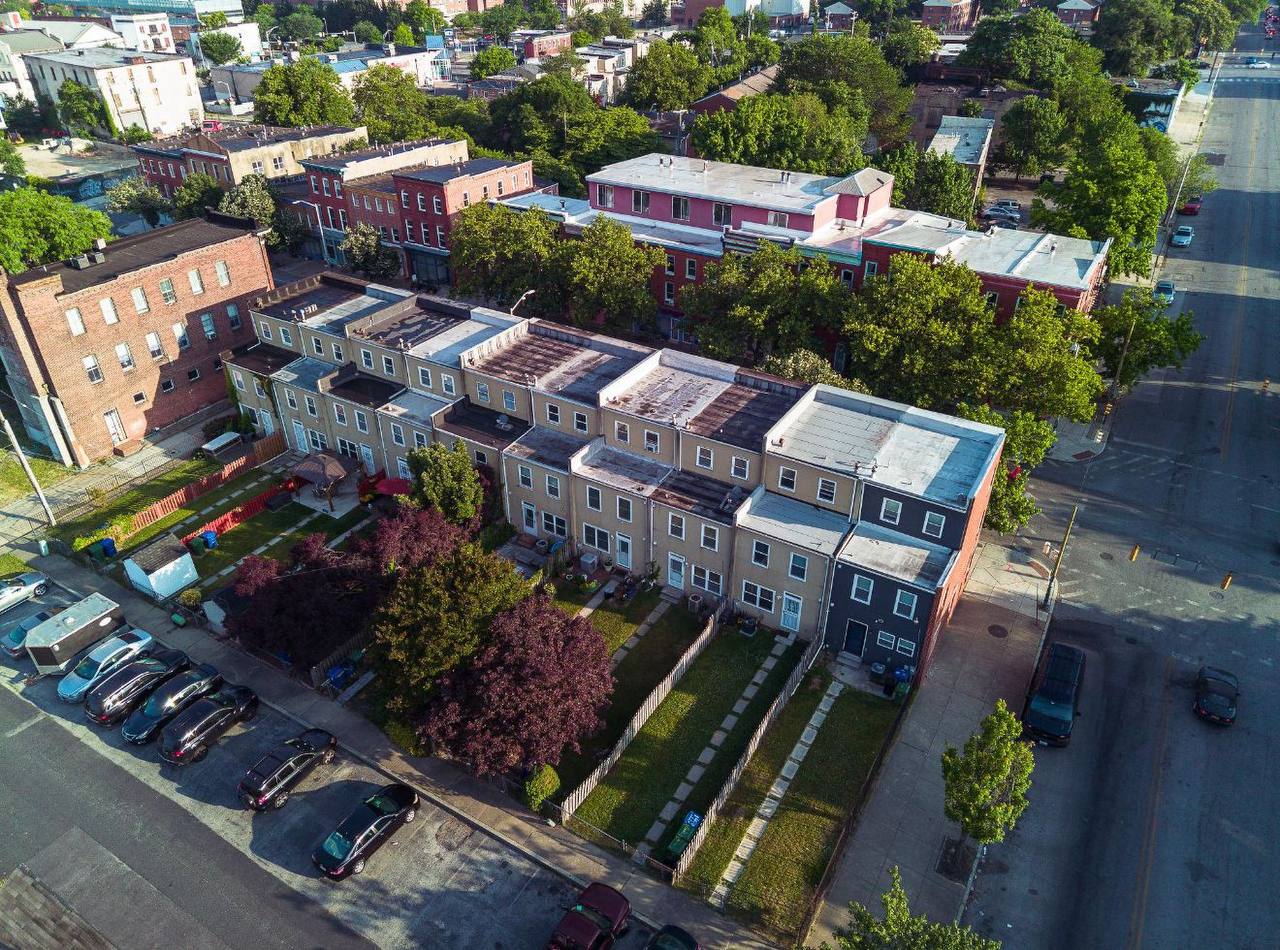
Baltimore’s rowhome architecture makes block-level strategy particularly powerful.
Unlike sprawling suburban markets, Baltimore’s density means that each property has a direct
visual and economic relationship with its neighbors. Improvements are visible. Stabilization is
tangible.
For real estate development firms focused on West Baltimore revitalization, East Baltimore
reinvestment, or Pigtown’s evolving corridors, this density becomes an advantage.
Small, consistent improvements shift momentum.
Risk Reduction Through Localized Focus
In emerging urban markets, risk is not eliminated — it is managed.
Developers who operate within defined geographic clusters gain advantages:
• Deeper knowledge of neighborhood dynamics
• Stronger contractor coordination
• More efficient oversight
• Better tenant screening consistency
• Reduced operational friction
This localized focus supports both financial stability and operational discipline.
The Long-Term Investor Advantage
Institutional capital increasingly seeks predictable, repeatable processes rather than speculative
spikes.
Block-level strategy provides:
• Structured acquisition sequencing
• Phased rehabilitation management
• Stabilization that supports refinancing
• Scalable portfolio expansion
In cities like Baltimore, where entry pricing remains comparatively accessible relative to larger
East Coast metros, disciplined redevelopment can create durable yield without excessive
leverage.
But only when execution is precise.
Community Impact Is Not Accidental
Urban redevelopment carries responsibility.
When properties are rehabilitated with structural integrity and long-term durability in mind, they
contribute to more than investor returns. They contribute to housing quality, neighborhood
stability, and local pride.
Transformation at the block level respects scale.
It avoids overextension.
It builds trust.
Why This Matters Now
Baltimore remains one of the most structurally undervalued cities on the East Coast. Its historic
housing stock, proximity to Washington D.C., and resilient neighborhoods offer long-term
potential — but only for developers willing to do the work carefully.
Disciplined real estate development is not about rapid accumulation. It is about building durable
portfolios, one calculated step at a time.
Block by block.
The Future of Urban Redevelopment
As more capital searches for intelligent urban opportunities, the firms that succeed will not be the
loudest — they will be the most methodical.
Baltimore rewards:
• Local awareness
• Operational rigor
• Community alignment
• Financial patience
The future of redevelopment here will belong to those who understand that meaningful change is
not explosive.
It is cumulative.
And it starts with one disciplined decision at a time.
By Leul Ayana, CEO