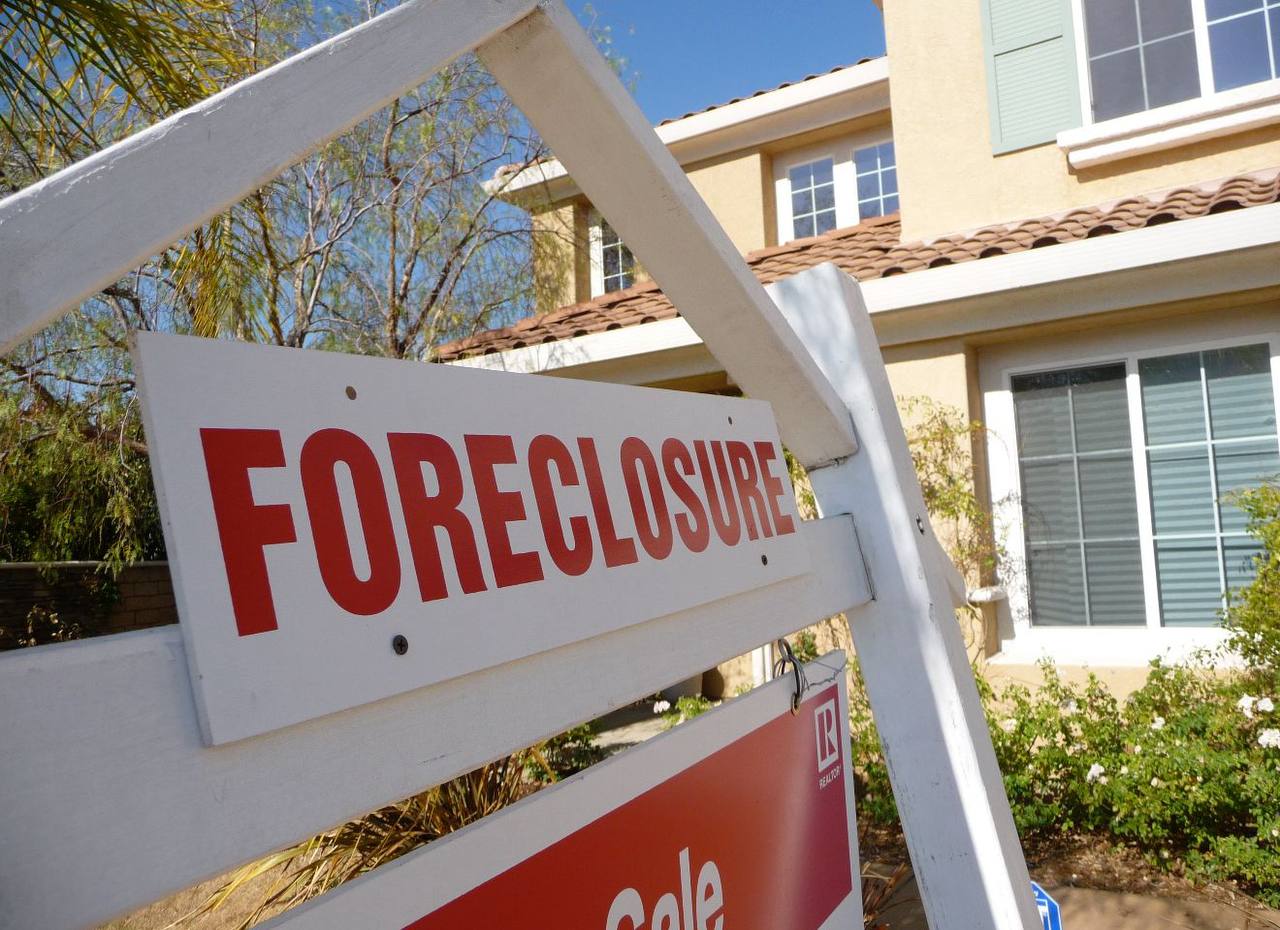
In late 2025, a significant real estate disruption unfolded in Baltimore that has sent ripples across
the regional housing market. According to multiple investigative reports, a suspected $100
million real estate scheme involving out-of-state investors triggered an unprecedented wave of
foreclosures that has strained lenders, destabilized neighborhoods, and raised concerns for small
businesses and ethical developers in the region.
The Facts: A Foreclosure Wave Rooted in Alleged Fraud
At the center of the crisis was a group of investors who purchased more than 700 homes in
Baltimore, primarily in historically underserved communities, using Debt Service Coverage
Ratio (DSCR) loans, a loan product that bases creditworthiness on projected rental income rather
than traditional income verification.
These purchases were financed with roughly $100 million in DSCR loans, and according to
local reporting:
– Over 50 % of the properties tied to this portfolio are now in foreclosure.
– Foreclosure activity across the Baltimore metropolitan area jumped 26 % quarter-over- quarter and 11 % year-over-year.
– Many properties showed no record of renovation permits, despite loan proceeds
ostensibly earmarked for rehabilitation.
Maryland housing officials have described the situation as a predatory scheme, emphasizing that
while this activity represents a serious localized crisis, it does not reflect broader investment
trends in the Baltimore market.
How This Affects Local Economies and Small Businesses
While headlines focus on banks and lenders, the fallout extends far beyond financial institutions:
1. Neighborhood Stability and Consumer Confidence
A surge in foreclosures can depress home values, eroding consumer confidence and discouraging
local spending, a situation especially perilous for small retailers and service firms that depend on
stable residential communities.
2. Local Developers and Ethical Investors
Responsible developers committed to renovation, tenant protection, and long-term community
engagement now face heightened scrutiny and risk aversion from lenders. Banks tightening
credit standards following default waves can unintentionally squeeze reputable builders who rely
on access to capital for legitimate growth.
3. Lender Trust and Market Liquidity
Loan losses and distrust in loan documentation systems can prompt private lenders to pull back,
reducing overall capital available for redevelopment and affordable housing initiatives. This
contraction affects developers of all sizes, particularly those without deep institutional backing.
4. Tenant Impact and Displacement
Tenants in foreclosed properties, often unaware of the underlying financing issues, can face
abrupt lease terminations, destabilization, and relocation costs. This human consequence ripples
into labor markets and community well-being.
Integrity in Action: What Responsible Developers and Businesses Should
Emphasize
At RSDLGroup, integrity and sustainable impact are core to every project we undertake. In light
of recent developments, several prudent practices stand out for ethical developers and real estate
professionals:
1. Uphold Transparent Financial Practices
Thorough documentation, conservative valuations, and adherence to traditional
underwriting standards protect both the business and the broader market.
2. Support Responsible Lending
Engage with lenders who prioritize due diligence and fair practices, helping ensure that
financing serves tangible improvements, not speculative risk. Encouraging lending
partnerships that value community outcomes strengthens long-term market health.
3. Advocate for Community-Centered Policies
Working with municipalities and nonprofits, such as property stabilization trusts and
workforce development organizations, can help facilitate the rehabilitation of distressed
properties and expand affordable housing options.
4. Balance Growth with Local Impact
Investments should complement local economic ecosystems, empowering job creation,
small business support, and equitable development rather than fueling pricing bubbles or
displacement.
Finding the Path Forward
The Baltimore foreclosure fallout is a cautionary example of how financial innovation without
accountability can harm communities, erode trust, and create real economic drag. But it also
illuminates an opportunity for ethical developers, lenders, and neighborhood stakeholders to
shape a more resilient and equitable real estate market. By championing integrity, investing
responsibly, and uplifting the voices of local businesses and residents, we can collectively move
beyond the headlines, and toward a future where real estate development contributes to shared
prosperity.
By Leul Ayana, CEO
Sources